Introduction to Anuvasana Basti (Oil Enema)
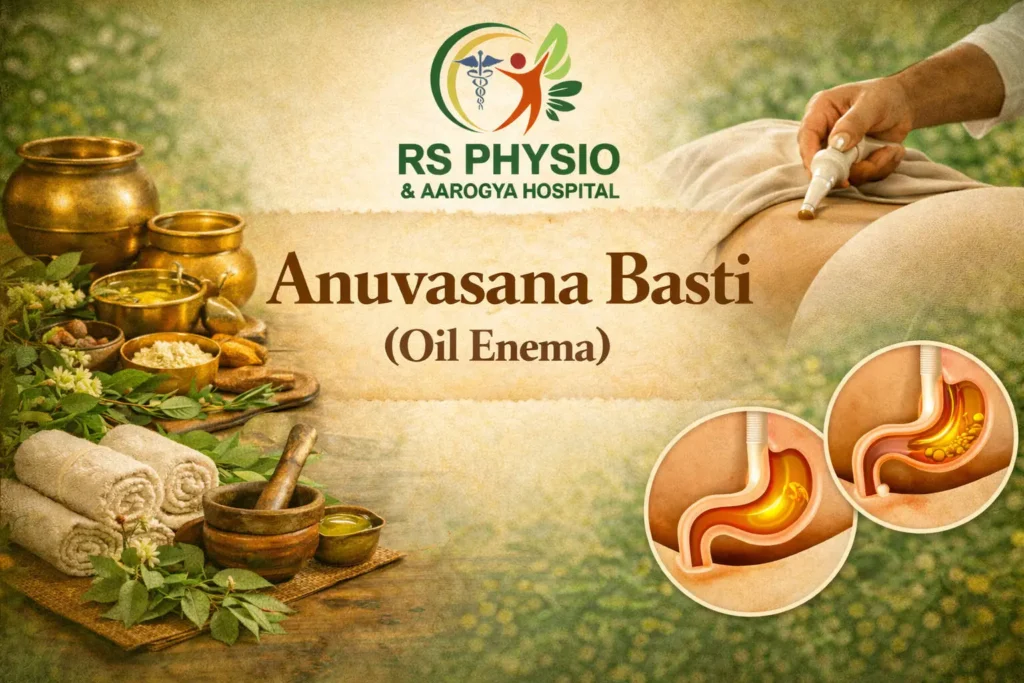
Anuvasana Basti (Oil Enema) is an important Panchakarma therapy in Ayurveda that focuses on nourishing and balancing aggravated Vata dosha. Vata is responsible for movement, dryness, pain, and degeneration in the body. When it becomes imbalanced, it can lead to joint pain, stiffness, constipation, nerve weakness, and premature aging.
At RS Physio & Aarogya Hospital Jhajjar, this therapy is planned and administered strictly according to classical Ayurvedic guidelines after evaluating the patient’s body constitution and health condition. Anuvasana Basti (Oil Enema) is gentle, nourishing, and suitable for long-term care when done under expert supervision.
What Is Anuvasana Basti (Oil Enema)?
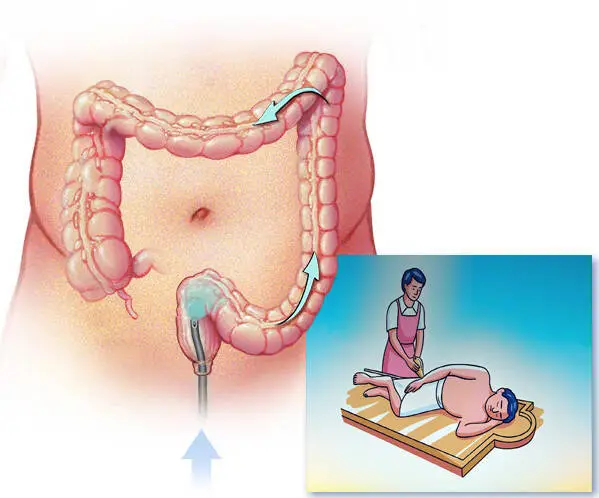
Anuvasana Basti (Oil Enema) is a type of medicated enema in which herbal oils or ghee are introduced into the rectum in a controlled manner. Unlike cleansing enemas, this therapy is primarily nourishing in nature and does not cause forceful bowel movements.
Ayurveda explains that the colon is the main seat of Vata dosha. When medicated oils are administered through this route, they directly pacify Vata and nourish deeper tissues such as muscles, bones, nerves, and joints.
Ayurvedic Concept Behind Anuvasana Basti
According to Ayurveda, dryness and degeneration are the main qualities of aggravated Vata. Anuvasana Basti (Oil Enema) counteracts these qualities through unctuous (Snigdha) and warming (Ushna) properties of medicated oils.
This therapy helps by:
- Lubricating the colon and tissues
- Reducing dryness and stiffness
- Improving nerve conduction
- Supporting tissue regeneration
Because of its nourishing nature, it is often used repeatedly in chronic conditions.
How Anuvasana Basti (Oil Enema) Works in the Body
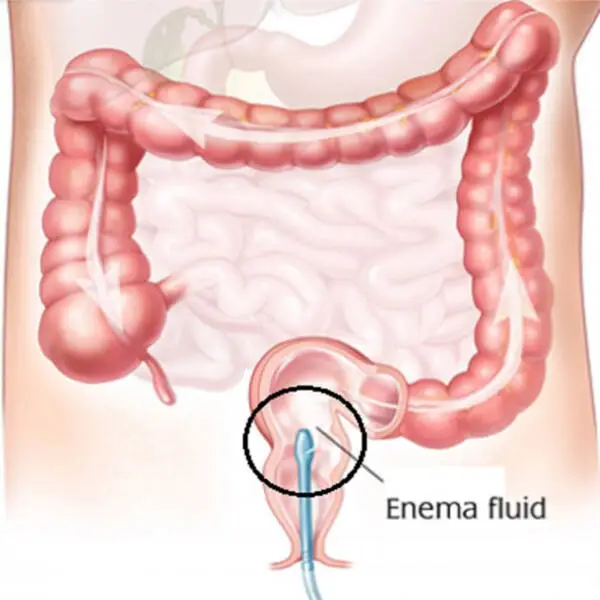
When oil is administered into the colon, it is absorbed through the intestinal lining and distributed through subtle channels (Srotas). This allows the medicine to reach deeper tissues without passing through the digestive fire.
The therapy works to:
- Calm aggravated Vata at its root
- Improve bowel movement naturally
- Reduce pain and stiffness
- Strengthen muscles and joints
Over time, this results in improved mobility and comfort.
Types of Anuvasana Basti (Oil Enema)
Different types of Anuvasana Basti (Oil Enema) are selected based on disease condition, strength of the patient, and treatment goal. The main types are explained below.
1. Sneha Basti
Sneha Basti uses pure medicated oil or ghee.
Used for:
- Severe dryness
- Degenerative joint diseases
- Chronic constipation
This type is highly nourishing and calming.
2. Matra Basti
Matra Basti is a mild daily form of Anuvasana Basti (Oil Enema) using a small quantity of oil.
Best suited for:
- Elderly patients
- Weak individuals
- Long-term maintenance therapy
It can be administered safely for extended periods.
3. Taila Anuvasana Basti
This type uses specific herbal oils prepared for targeted conditions.
Helpful in:
- Arthritis
- Back pain
- Nerve disorders
The oil selection depends on dosha imbalance.
Conditions Treated with Anuvasana Basti (Oil Enema)
This therapy is widely used in managing:
- Osteoarthritis
- Rheumatoid arthritis (supportive)
- Sciatica
- Slip disc
- Cervical and lumbar spondylosis
- Chronic constipation
- Neurological weakness
- Muscle stiffness
When combined with physiotherapy and lifestyle correction, outcomes are more effective.
Step-by-Step Procedure of Anuvasana Basti
1. Purva Karma (Preparation)
Before administering Anuvasana Basti (Oil Enema):
- Gentle oil massage is done
- Mild steam therapy is given
- Digestive capacity is assessed
This prepares the body to receive the therapy.
2. Pradhana Karma (Main Procedure)
- Patient lies in a comfortable position
- Warm medicated oil is administered slowly
- The quantity is adjusted based on condition
There is no forceful evacuation involved.
3. Paschat Karma (Post-Procedure Care)
- Light, warm food is advised
- Excess exertion is avoided
- Lifestyle guidance is given
These steps ensure proper absorption and benefit.
Benefits of Anuvasana Basti (Oil Enema)
Regularly administered therapy offers:
- Relief from joint pain and stiffness
- Improved bowel regularity
- Better flexibility and movement
- Reduced nerve-related discomfort
- Slowed degeneration of tissues
- Improved overall strength
It is especially useful in chronic Vata disorders.
Who Should Undergo Anuvasana Basti (Oil Enema)?
This therapy is ideal for:
- People with dryness and stiffness
- Elderly individuals
- Patients with chronic pain
- Individuals with weak digestion but aggravated Vata
It is also beneficial as part of long-term Panchakarma plans.
Who Should Avoid Anuvasana Basti (Oil Enema)?
This therapy should be avoided in:
- Acute fever
- Severe diarrhea
- Very poor digestion
- Immediately after heavy meals
Proper medical evaluation is essential before starting therapy.
Role of Diet and Lifestyle During Therapy
For best results:
- Prefer warm and oily foods
- Avoid cold and dry meals
- Maintain regular sleep
- Avoid excessive physical strain
These measures support the action of Anuvasana Basti (Oil Enema).
Why Choose RS Physio & Aarogya Hospital Jhajjar?
At RS Physio & Aarogya Hospital Jhajjar, Anuvasana Basti is provided with:
- Authentic Ayurvedic oils
- Personalized treatment protocols
- Clean and hygienic environment
- Integrated physiotherapy support
This ensures safety, comfort, and long-lasting results.
FAQs
What is Anuvasana Basti used for?
It is used to balance Vata dosha and treat joint, nerve, and digestive disorders.
Is Anuvasana Basti painful?
No, it is a gentle and comfortable procedure.
How many sessions are required?
The number of sessions depends on the condition and chronicity.
Can it be done daily?
Matra Basti can be safely done daily under supervision.
Is Anuvasana Basti safe for elderly people?
Yes, it is one of the safest Panchakarma therapies for elderly patients.